Rainwater Tanks and Runoff: Responsible Pressure Cleaning Tips
Pressure cleaning can freshen up Melbourne driveways, paths and outdoor areas, but the dirty water needs somewhere safe to go. Runoff can carry detergent, sediment, oil and paint flakes into stormwater drains. Roof cleaning can also send contaminants straight into a connected rainwater tank. A little preparation helps protect your stored water, garden and local waterways.
Protect Your Rainwater Tank Before Cleaning
If you are cleaning a roof, gutters or another surface that drains into your tank, isolate the tank inlet before work begins. Use the system’s approved diversion arrangement or have a suitable professional disconnect the collection pipework. Keep contaminated wash water away from the tank and its overflow.
A first-flush diverter helps exclude initial roof runoff, but it is not designed to remove a large dose of cleaning chemicals. Do not rely on it as your only protection.

Before reconnecting, remove debris, rinse the collection surfaces appropriately and follow the cleaning product’s directions and tank manufacturer’s guidance. There is no single safe waiting period for every chemical or roof material. If the tank supplies drinking water, seek advice from a qualified water-treatment professional if contamination is suspected.
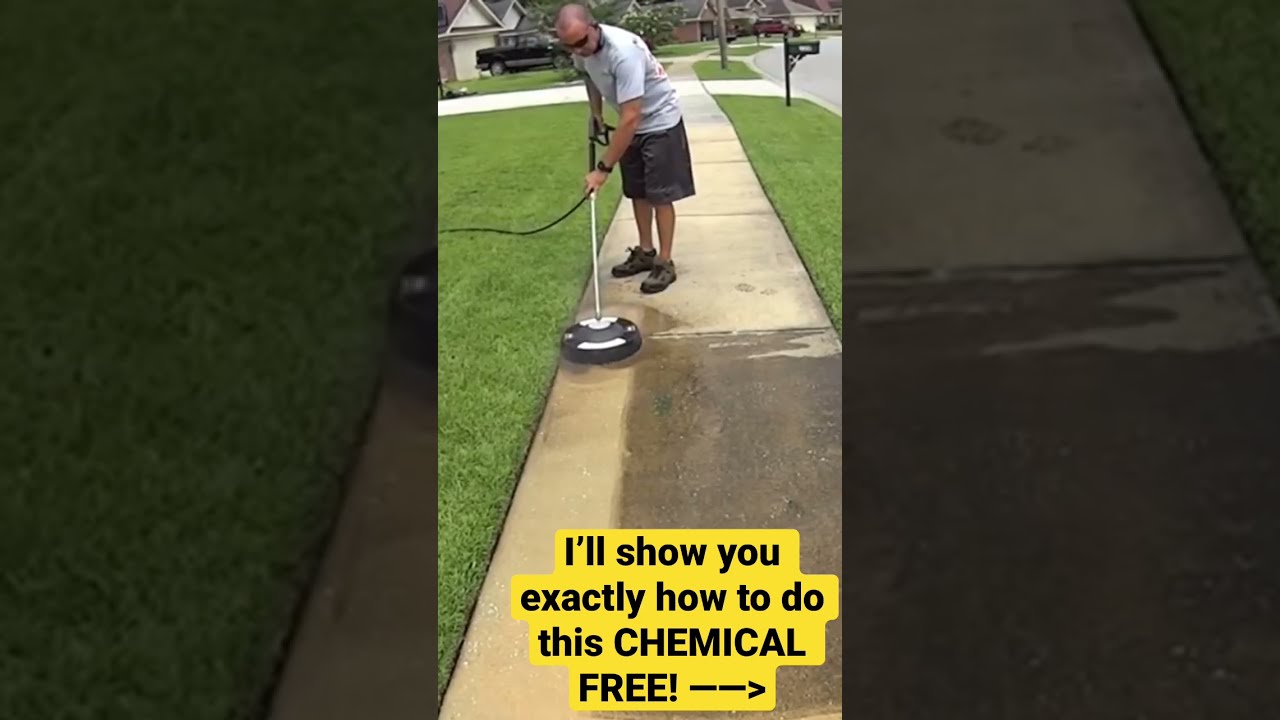
Keep Pressure Cleaning Runoff Out of Stormwater
Melbourne’s stormwater network generally carries runoff to waterways without sewage treatment. Under Victoria’s general environmental duty, people undertaking activities that may create pollution risks must minimise those risks so far as reasonably practicable. “Biodegradable” detergent does not make wash water safe for stormwater drains.
- Inspect the site: Locate street drains, downpipes, tank connections and low points before starting.
- Dry-clean first: Sweep up leaves, soil and loose debris. Collect oil residues with an appropriate absorbent rather than washing them away.
- Contain the work area: Use suitable temporary bunds and drain protection without creating flooding or trip hazards.
- Recover the wastewater: Use a wet vacuum or purpose-built recovery equipment, then arrange disposal appropriate to its contaminants.
Do not assume collected wastewater can go into a sewer connection. Check with the relevant Melbourne water retailer about acceptance requirements and any trade waste approval. Oily or chemically contaminated water may need a specialist waste contractor. Directing runoff onto a garden is not automatically appropriate either, particularly where it could damage plants, contaminate soil or flow onto neighbouring land.
Use Less Water Without Damaging Surfaces
Start with the lowest effective pressure and a suitable nozzle. Keep the spray moving and test an inconspicuous area first. Excessive pressure can damage mortar, timber and concrete, producing more contaminated debris to collect.
Check current Victorian water restrictions or permanent water saving rules before using mains water. A rainwater supply may reduce mains consumption, but it does not remove your responsibility to manage runoff.
Can You Run a Pressure Cleaner From a Rainwater Tank?
Check the machine’s required inlet https://troyrnne525.oakmontscope.com/posts/a-homeowner-x27-s-guide-to-cleaning-sandstone-without-damage pressure, flow rate and filtration requirements. Some cleaners need a pressurised supply; others support suction from a tank. Use compatible equipment and protect the pump from sediment and running dry. Never create an unprotected connection between rainwater plumbing and drinking-water plumbing.
Choose a Melbourne Cleaner With a Runoff Plan
Before booking, ask how the contractor protects tank inlets, contains wash water and disposes of recovered waste. Mention any drinking-water connection, roof contamination or nearby stormwater pits. Suspected asbestos roofing must not be pressure cleaned. A responsible service assesses these risks before choosing chemicals, equipment and a cleaning method.
Melbourne Pressure Cleaning Pros
(03) 8007 3103